
The Art of Sleeping
Well
During the body’s night shift, essential processes repair, restore, and renew. Here’s how to give them the space they need.
Sleep is far from passive. While you rest, your body is running a nightly maintenance programme — flushing toxins through the lymphatic system, fortifying the immune response, and letting blood pressure drop so the parasympathetic nervous system can do its quiet, vital work.
The problem? Around one third of adults aren’t getting enough. For optimal health, science recommends seven to nine hours of uninterrupted sleep — yet many of us are falling short, with real consequences for mental health, cognition, and cardiovascular risk.
The good news: small, intentional changes to your evening routine can make a measurable difference. Below are seven evidence-informed tips to help you fall asleep faster, stay asleep longer, and wake feeling genuinely restored.
Creating the right environment is half the battle
Seven tips
Small Changes,
Deeper Rest
Caffeine Curfew
Caffeine has a half-life of around five hours — so that 3pm flat white is still half-strength at 8pm. Aim to cut off by 2pm. Herbal teas or still water make ideal replacements later in the day.
NutritionMove Earlier
Low physical activity during the day can leave surplus energy at bedtime. A walk, swim, or light workout in the late afternoon or early evening helps deplete that energy so tiredness arrives naturally.
ActivityCool the Room
Core body temperature naturally drops during sleep onset. A cool bedroom — typically 16–19 °C — supports this process. Cotton bedding allows better airflow and temperature regulation than synthetic fibres.
EnvironmentDitch the Screen
Blue light from phones and laptops suppresses melatonin production, pushing your internal clock later. Avoid devices in bed — ideally two hours before sleep. The content itself can spike anxiety, so it’s doubly worth skipping.
HabitsWind-Down Ritual
A consistent pre-sleep routine signals to the nervous system that it’s time to shift into rest mode. Try gentle meditation, reading (a physical book beats a screen), or a few drops of lavender essential oil on your pillow — all shown to lower cortisol and encourage the parasympathetic response.
Mindfulness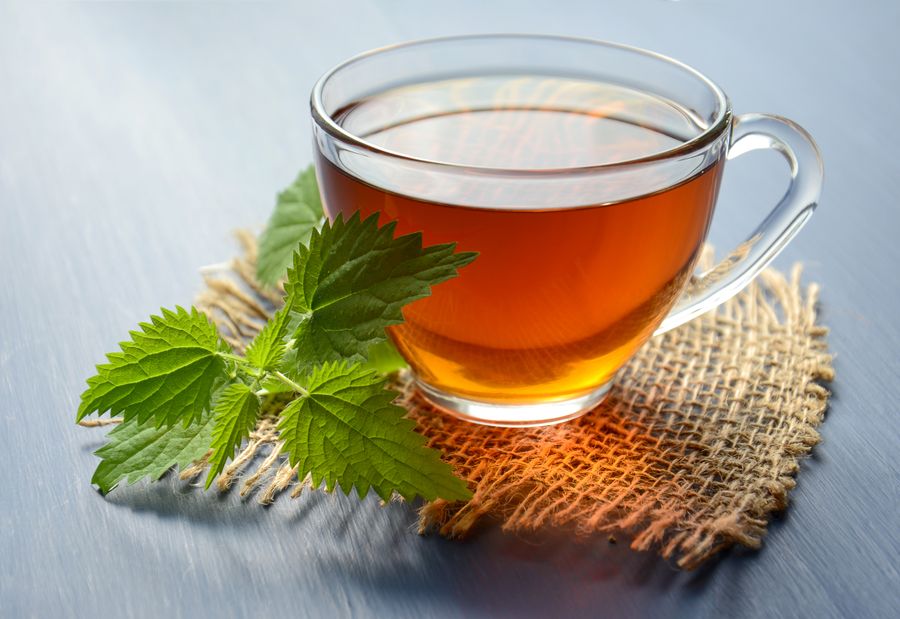
Skip the Alcohol.
Try These Instead.
A glass of wine might feel relaxing, but alcohol disrupts REM sleep and reduces overall sleep quality. Certain herbal teas, on the other hand, have genuine hypnotic properties backed by research.
Passionflower (Passiflora incarnata) is particularly useful if intrusive thoughts keep you awake. Lemon balm (Melissa officinalis) carries a gentle citrus note and has been shown to reduce anxiety and support relaxation.
Sleep in Total Darkness
Even low-level light — a charging LED, a hallway glow — suppresses melatonin and disrupts the circadian rhythm. Research links chronic exposure to artificial light at night with increased risk of cardiovascular disease and diabetes. Blackout curtains are one of the most cost-effective sleep upgrades you can make.
Environment · Circadian Health“Sleep is not a passive retreat from the world — it is the body’s most active act of self-repair.”